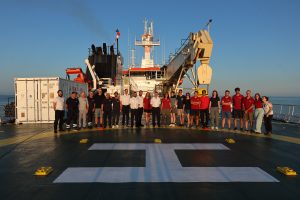
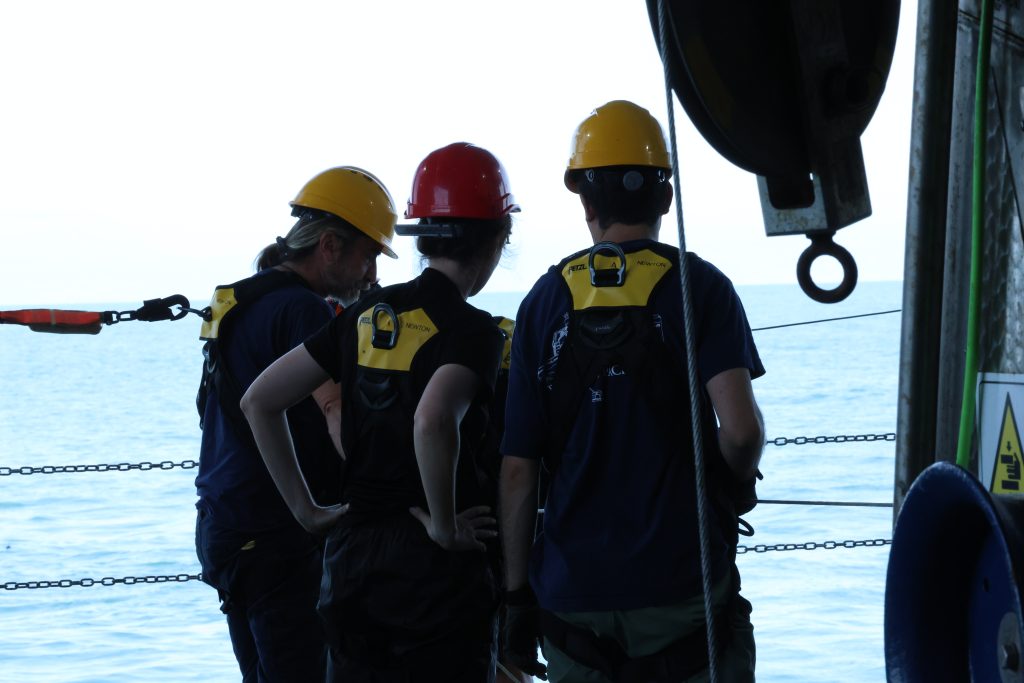
The research team of RESources in Coastal groundwater Under hydroclimatic Extremes (RESCUE), funded by Water 4 All and co-funded by the European Union, has just successfully completed its four-day expedition aboard the Laura Bassi vessel, which belongs to Project partner the National Institute of Oceanography and Applied Geophysics – OGS in Italy.
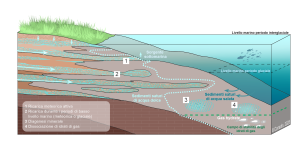
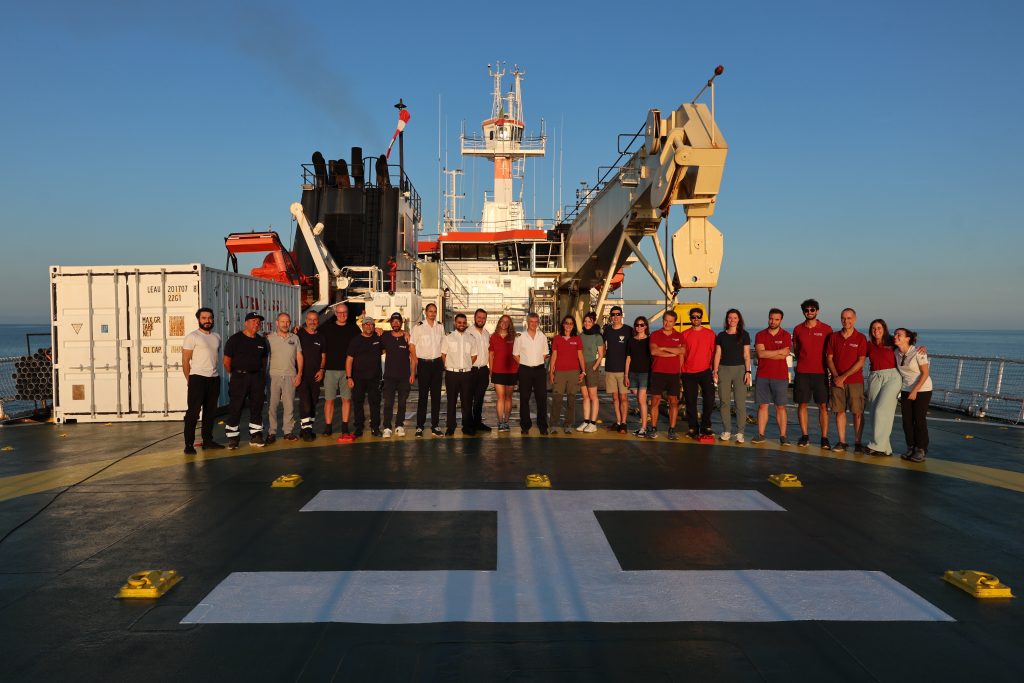
The aim of the expedition was to map groundwater aquifers located up to 400 metres in the sediment in the shallower part beneath the seabed in the coastal area between Jesolo (region of Veneto) and Lignano (region of Friuli Venezia Giulia). The RESCUE team on board consisted of researchers and students from OGS, the University of Trieste (UNITS) – the Project coordinator, Project partner the University of Malta, the University of Pisa, the Institute of Marine Sciences of the Italian National Research Council (CNR-ISMAR) of Bologna, and the Monterey Bay Aquarium Research Institute (MBARI, California, USA).
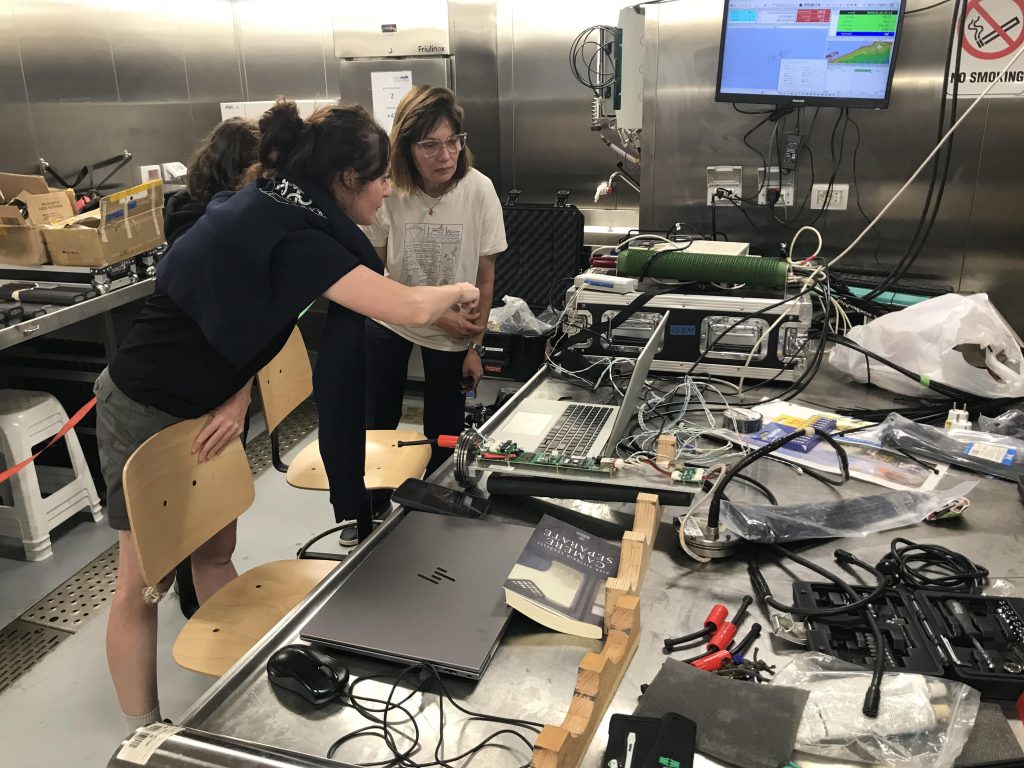
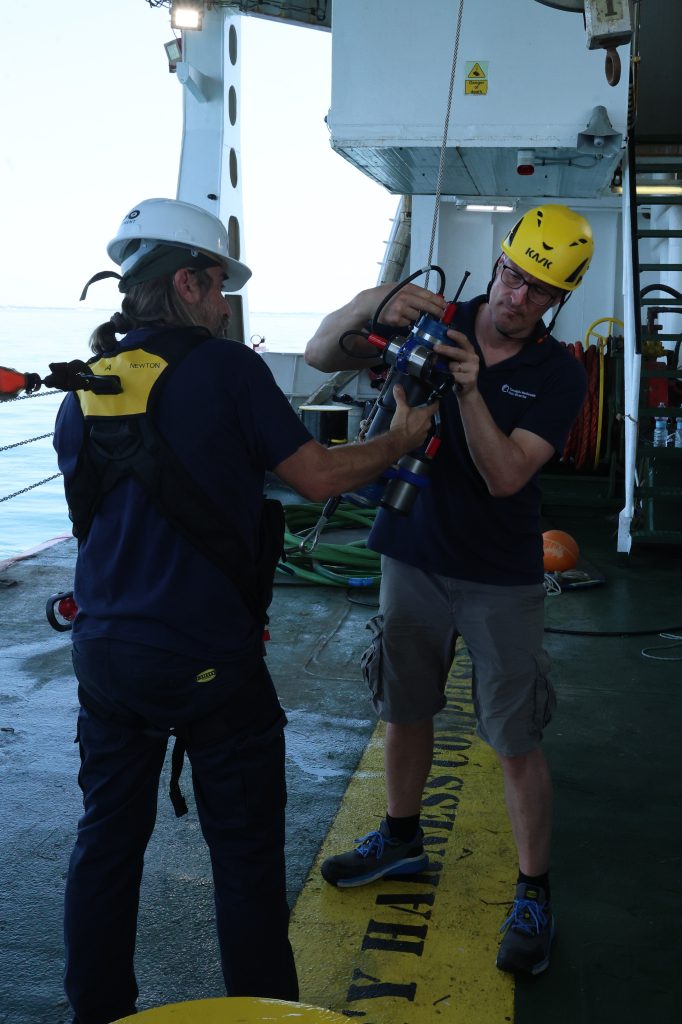
During the campaign, researchers carried out seismic reflection surveys to obtain high-resolution images of the subsurface beneath the seabed, together with seafloor mapping. In addition, electromagnetic surveys were conducted for the first time in the area to detect the possible presence of freshwater aquifers beneath the seabed. The investigations, which did not involve any seabed sampling, covered an area approximately 10 kilometres offshore, extending from Jesolo to the Tagliamento Delta off the coast of Lignano.
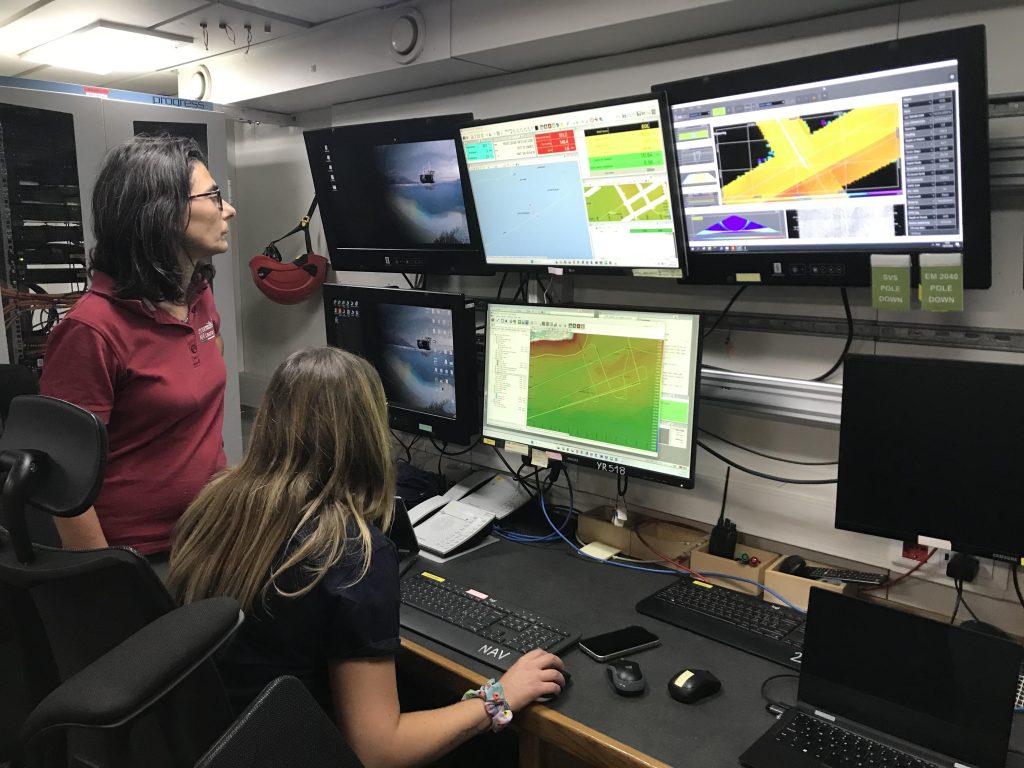
“The operations required the integration of several geophysical techniques and close collaboration among the different research teams, the technical and scientific staff, and the ship’s crew,” explained Daniela Accettella (below) of OGS, chief scientist aboard the Laura Bassi.
The expedition was also instrumental in laying the groundwork for a second research initiative funded by the European intergovernmental association JPI Oceans. Launched through a joint initiative by Malta and Italy, the new project will seek to confirm the presence of freshwater beneath the northern Adriatic seabed by drilling an offshore scientific borehole—the first of its kind in Europe. The project is coordinated by the University of Malta and involves OGS, the University of Trieste, the Alto Adriatico Technology Hub, as well as research institutions from Germany and Greece. It is funded by the Italian Ministry of University and Research (MUR) and the Autonomous Region of Friuli Venezia Giulia.
“The surveys were carried out under excellent environmental conditions, and all operations proceeded according to plan. The data collected are of very high quality, but several months of laboratory processing and analysis will be required before we can confirm the presence of freshwater aquifers beneath the northern Adriatic seabed,” said Cristina Corradin, OGS researcher and scientific coordinator of the expedition.
Professor Michele Pipan of the University of Trieste, commented on the significance of the expedition: “After two years of scientific work, the RESCUE team has successfully applied innovative integrated geophysical methods for investigating deep offshore aquifers in one of the most promising study areas: the seabed of the northern Adriatic, particularly off the coast of Friuli Venezia Giulia. The new data will improve our understanding of regional groundwater resources and contribute to addressing water shortages linked to climate change and extreme events, such as the heatwave and drought currently affecting Europe.”
The University of Trieste issued a press release on the first day of the expedition, which can be read here.
RESCUE aims to strengthen water security through research and innovation by identifying freshwater resources in unexplored coastal and offshore aquifers. Building on recent scientific discoveries, the project is mapping deep, low-salinity aquifers—located at depths exceeding 400 metres—both on land and beneath the seabed. At a time when freshwater resources in coastal regions are increasingly threatened by population growth, pollution and climate change, these aquifers could help supplement water supplies for drinking, agriculture and industry, while also reducing the costs associated with seawater desalination.
The Consortium of the 36-month long project also includes Ruden AS, University of Derby (UoD) and University of Malta (UM).