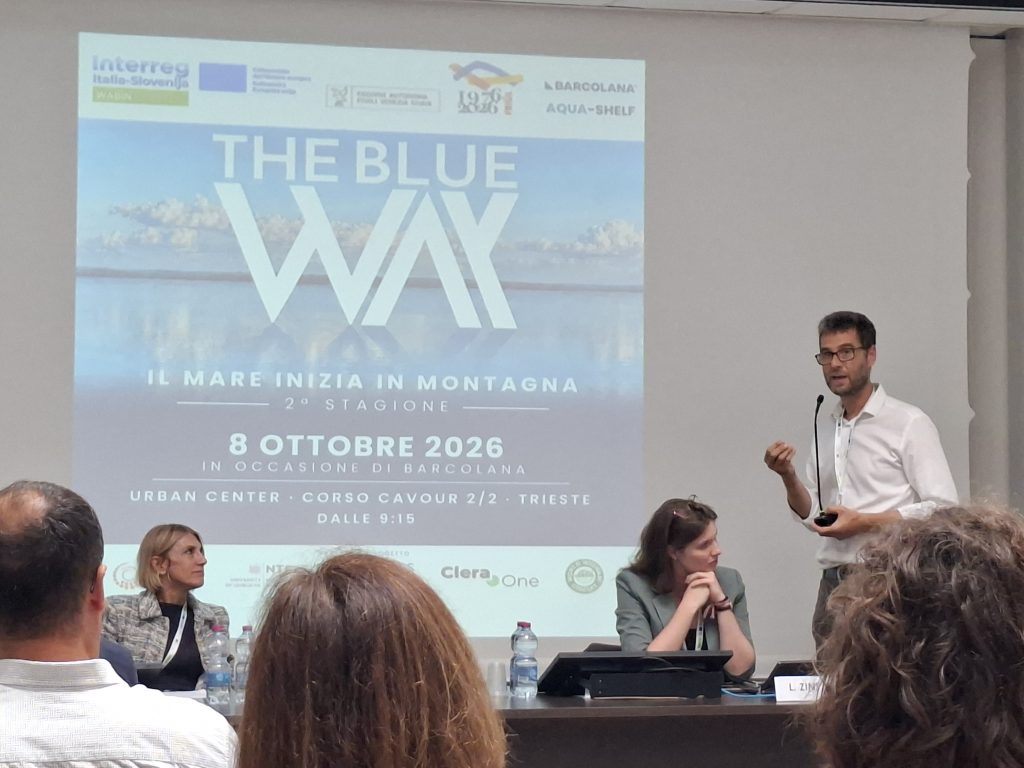
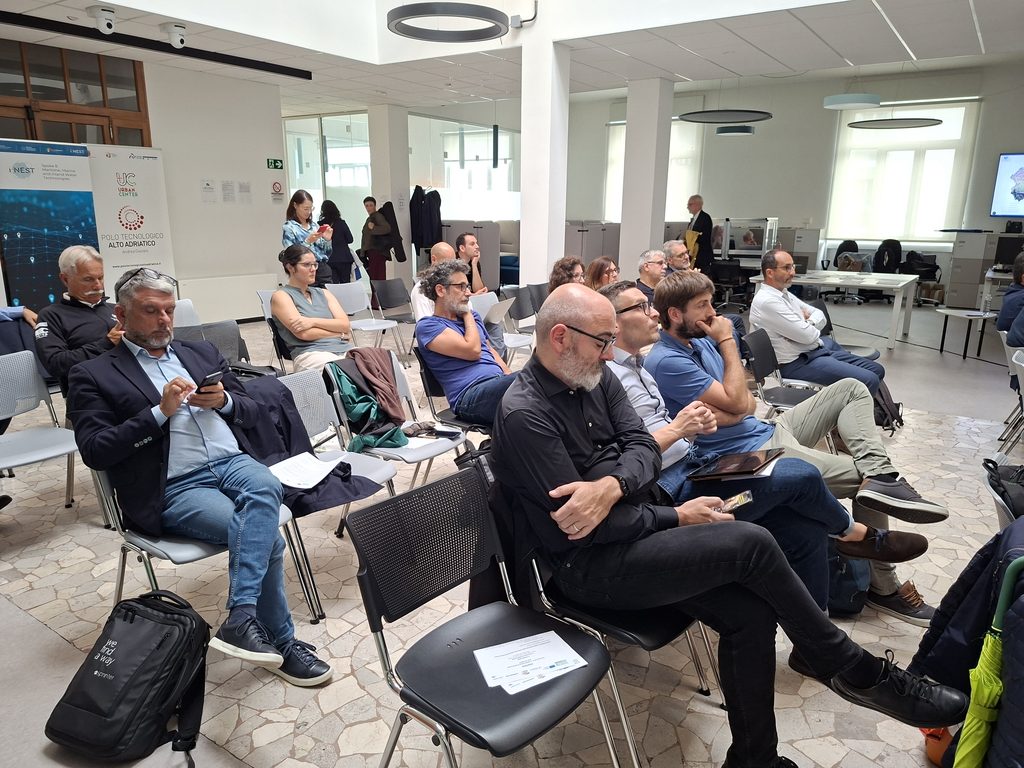
Coinciding with the Barcolana regatta held every year during October in Trieste, Italy, the Urban Centre in the city hosted a day dedicated to water, cross-border cooperation, and the new challenges of sustainable water resource management on 8 October.
‘The Blue Way – the sea begins in the mountains’ was the final event of the Interreg Italy-Slovenia project WABIN, which connects research, the local territory, European policies, and public participation, highlighting the need for shared knowledge and collaboration. The event was moderated by Polo Tecnologico Alto Adriatico, with whom RESources in Coastal groundwater Under hydroclimatic Extremes (RESCUE), funded by Water 4 All and co-funded by the European Union, is already working in synergy to enhance the impact of project results through a joint communication activity for stakeholders.
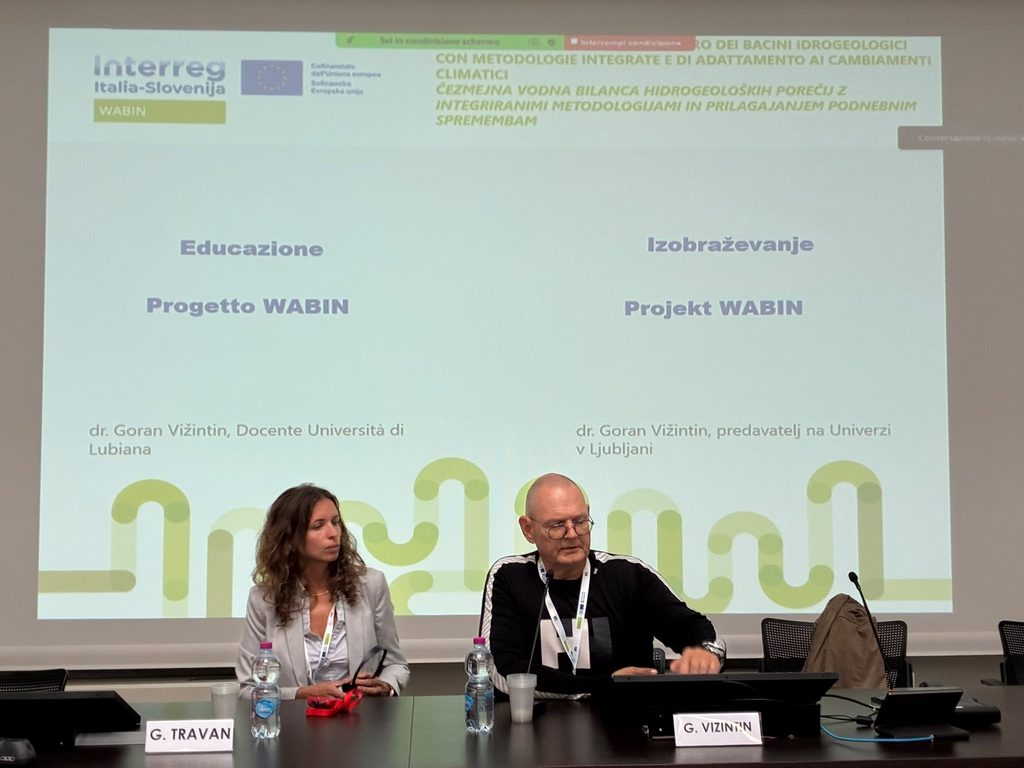
The morning focused on WABIN, the aim of which is to promote the sustainable management of transboundary water resources between Italy and Slovenia. The Project addresses the impacts of climate change and uneven water availability using integrated methodologies and predictive models, enhancing knowledge and management of resources, aquifers, and water-related risks, while also drawing attention to the legal aspects of transboundary water management. It is in this context that Emma Mazzotta of the National Institute of Oceanography and Applied Geophysics – OGS provided a presentation on the legal work conducted on the RESCUE Project during the morning.
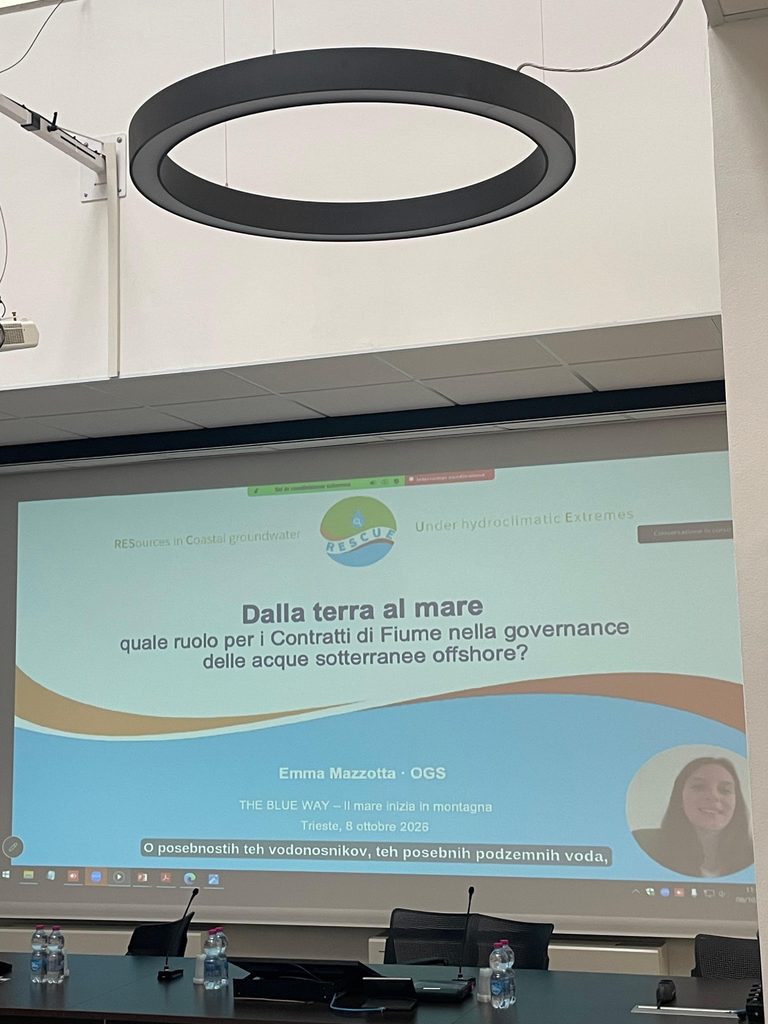
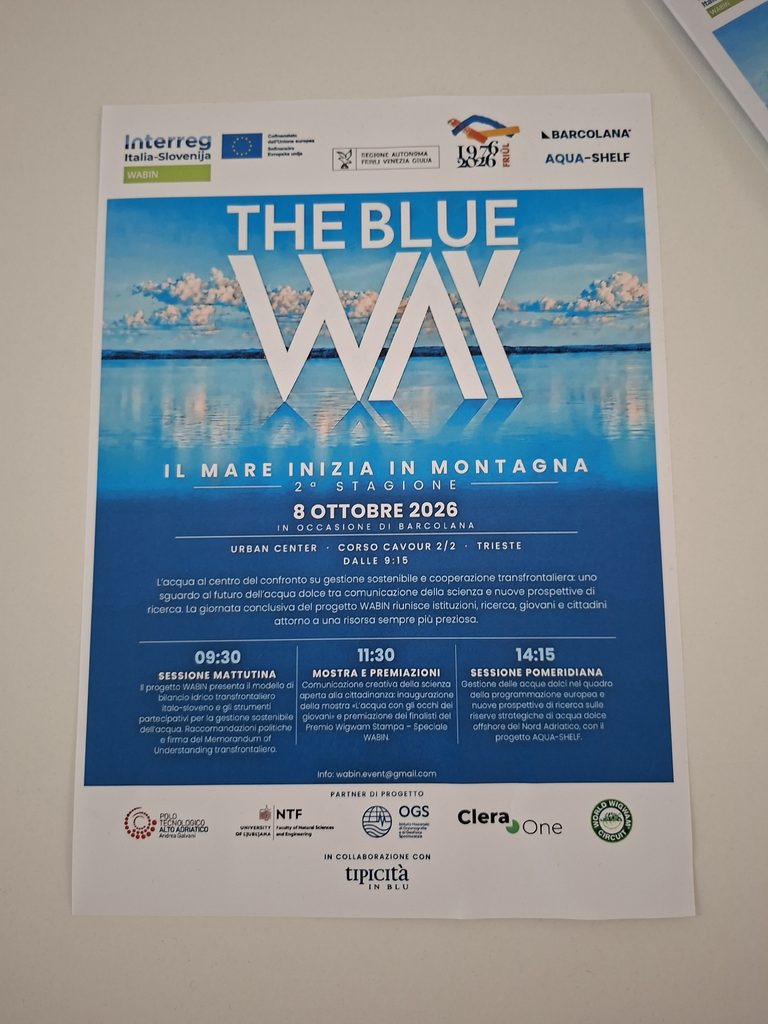
The afternoon concentrated on the presentation of AQUA-SHELF, which is a new project about to get underway. Co-funded by Regione Fruli Venezia Giulia, the Project won the joint JPI Oceans call between Italy and Malta and focuses on the study of freshwater reserves located beneath the seabed of the Northern Adriatic through drilling, field measurements, and laboratory analysis. Integrating this new data with advanced models will allow for a deeper understanding of the connectivity, behaviour, and environmental sensitivity of these freshwater reserves, while also assessing their long-term sustainability and potential for responsible use. The findings are expected to support future policy development by strengthening the scientific basis for how offshore groundwater (OFG) resources are understood and governed, the objectives of which partly overlap with those of RESCUE, whose team members, Cristina Corradin and Michela Giustiniani (OGS) and Luca Zini (University of Trieste – UNITS, RESCUE Project Coordinator), are also part of the AQUA-SHELF Project. During the overview of AQUA-SHELF, RESCUE was highlighted with the understanding that all projects featured across the Blue Way event potentially share the same stakeholder community.
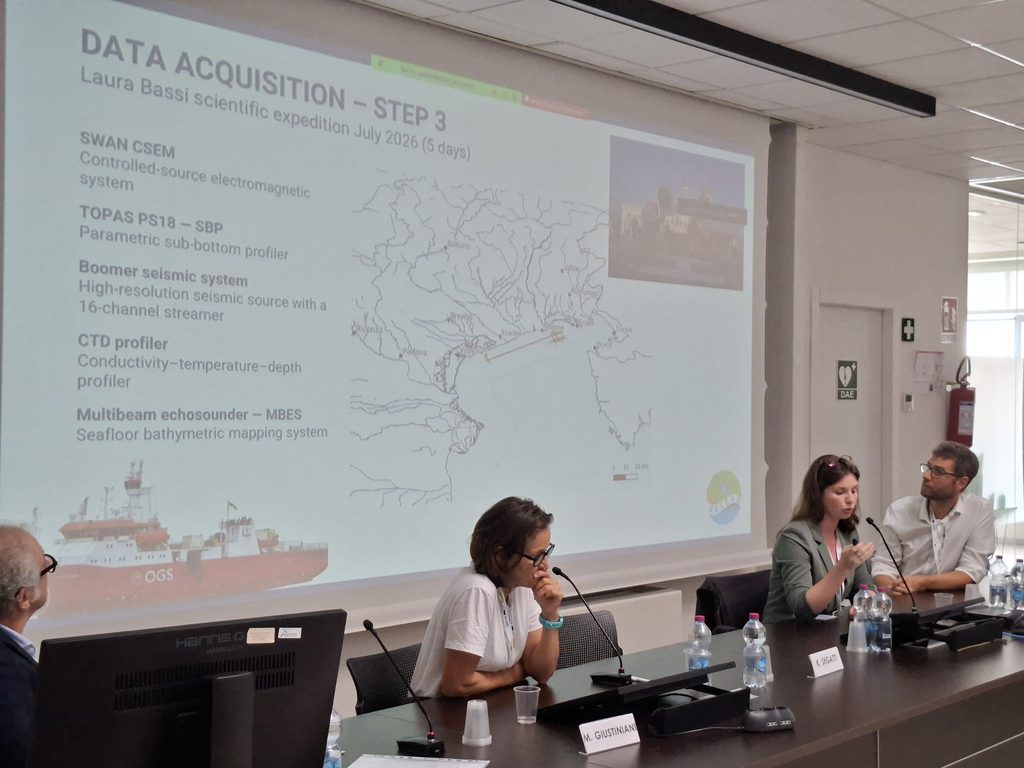
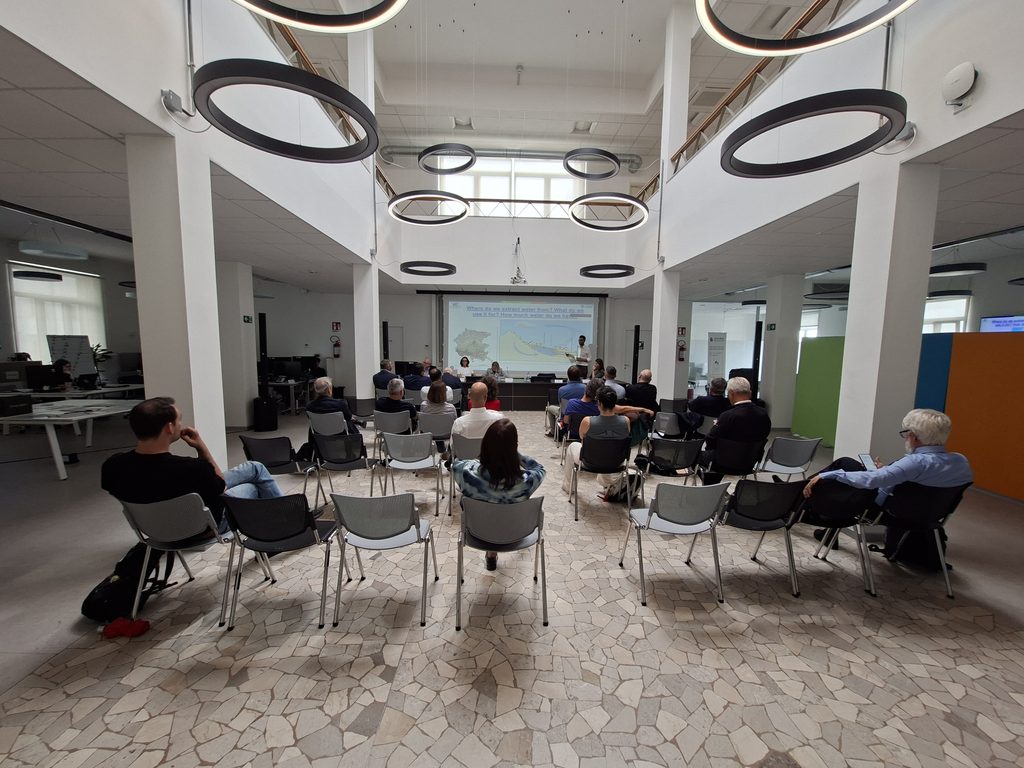
RESCUE began in March 2024 with the aim to build knowledge on offshore and deep onshore low salinity aquifers in European coastal areas, to evaluate novel freshwater resources, and help secure a steady supply of water to both population and industry, in times of hydroclimatic extremes.
The Project is led by the University of Trieste and is focused on helping to establish the foundations for the evaluation of new resources for local and regional policy makers, while the global applicability of the outputs will allow upscaling to Europe-wide or other large areas worldwide, where water is needed. As well as OGS, the Consortium of the 36-month long project also includes Ruden AS, University of Derby (UoD) and University of Malta (UM).