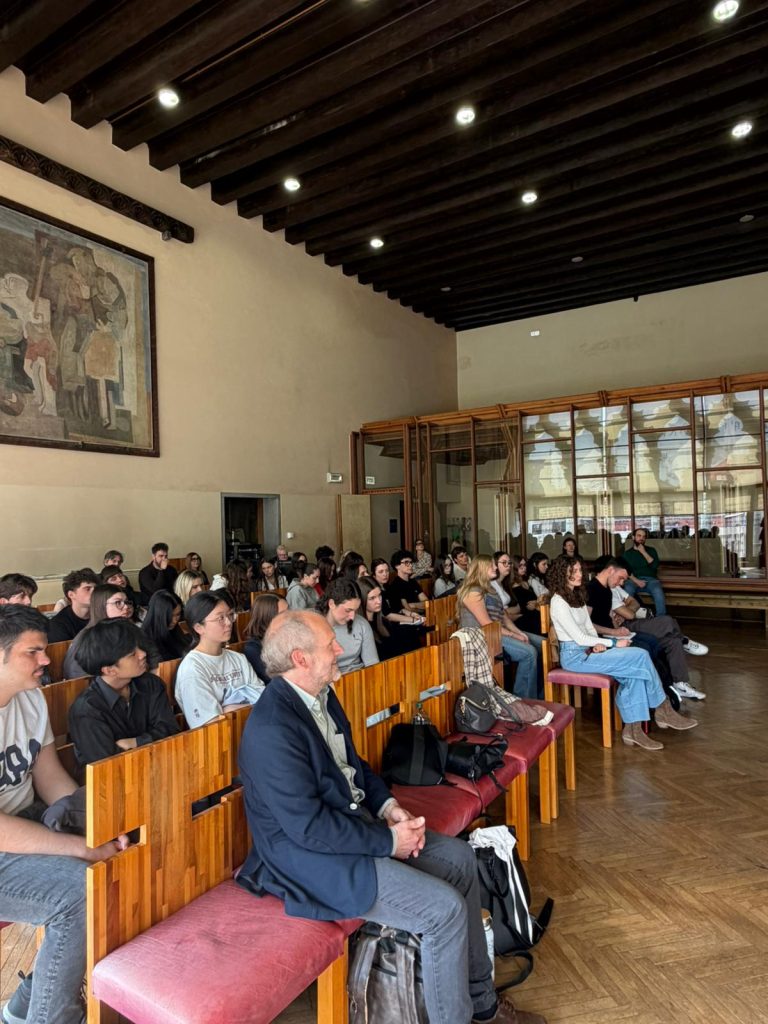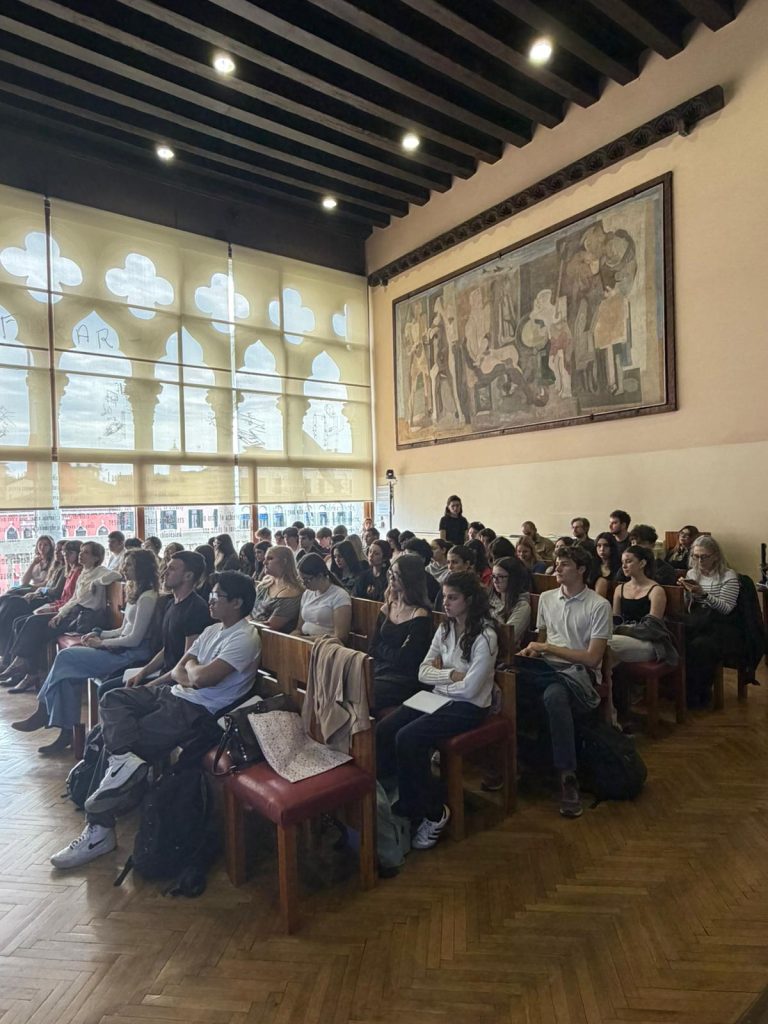
Members of the National Institute of Oceanography and Applied Geophysics – OGS team from RESources in Coastal groundwater Under hydroclimatic Extremes (RESCUE), funded by Water 4 All and co-funded by the European Union, were met with a full room in the Aula Baratto at the Department of Philosophy and Cultural Heritage (DFBC) Sustainability Talk of University of Ca’ Foscari in Venice this week.
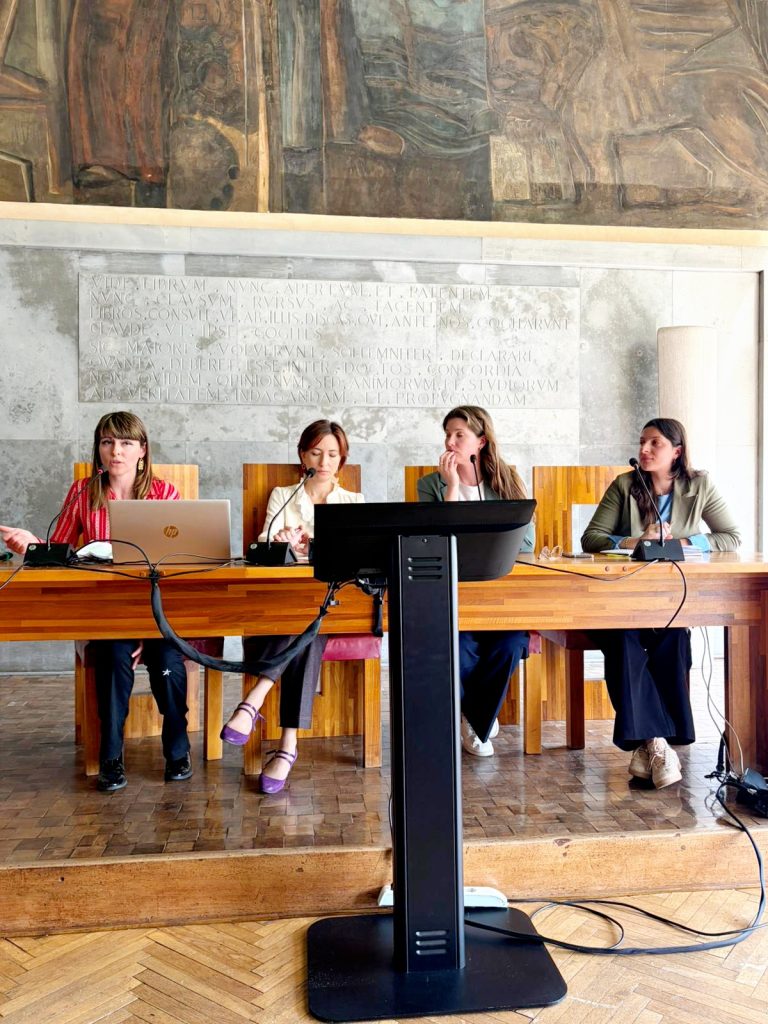
Prof. Angelo Camerlenghi (OGS) kicked off the morning talk by giving a presentation titled The water we didn’t know existed. What to do with it?, before researcher Corinna Guerra of Ca’ Foscari moderated a dialogue on Visions and Practices of Sustainability, during which she explored the science behind underground freshwater, and onshore and offshore aquifers with Cristina Corradin (OGS), posed questions on rights, ownership and legislation to Emma Mazzotta (OGS) and questioned Sophie Burton Pogledic (OGS) on the communications strategy and participatory approach behind the RESCUE Project.
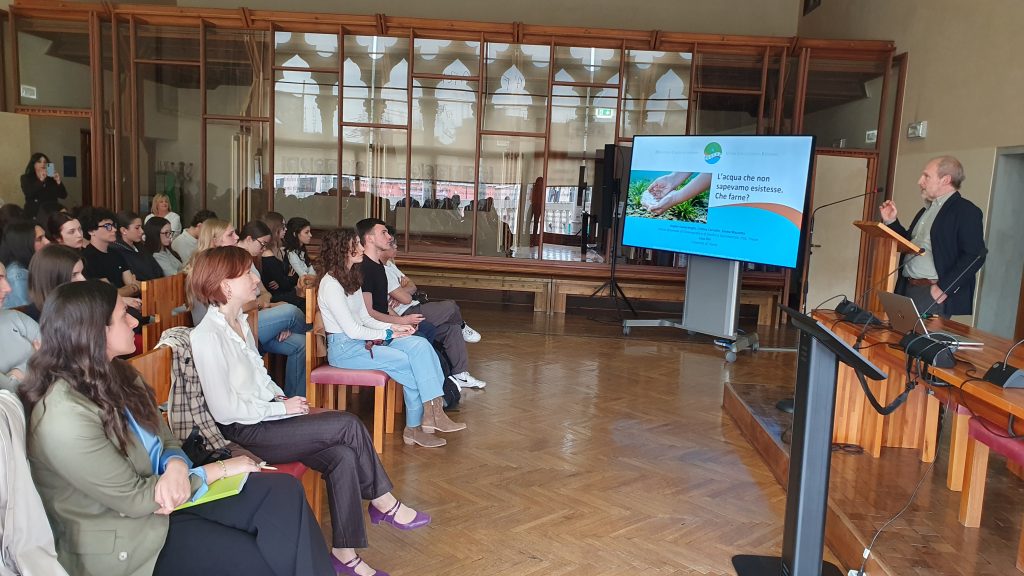
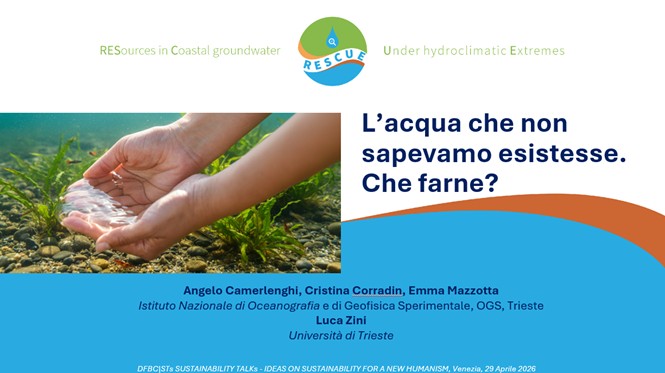
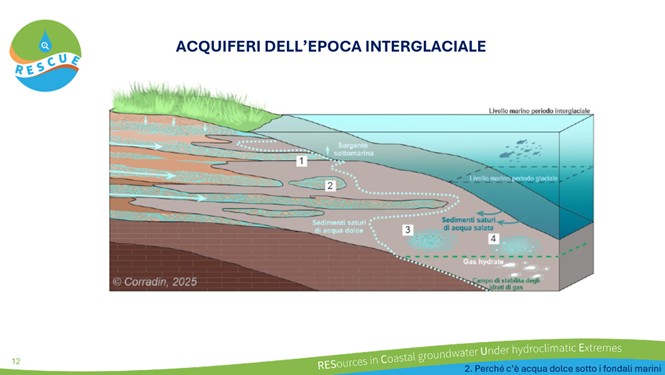
Above: Prof. Angelo Camerlenghi
The event took place in Italian on 29 April and is one of a series of TALKs officially organised by the Department of Philosophy and Cultural Heritage, together with the International Centre for Studies on Educational Research (CISRE), under the patronage of Ca’ Foscari Sostenibile and Ca’ Foscari Alumni – TerzaMissioneDFBC.
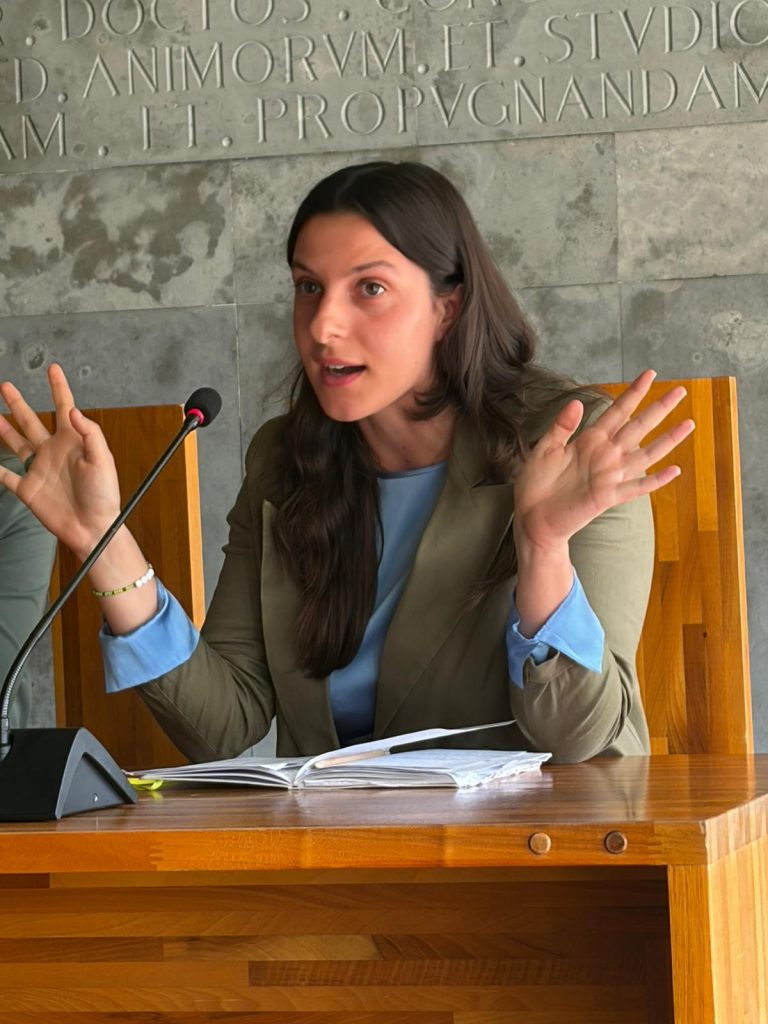
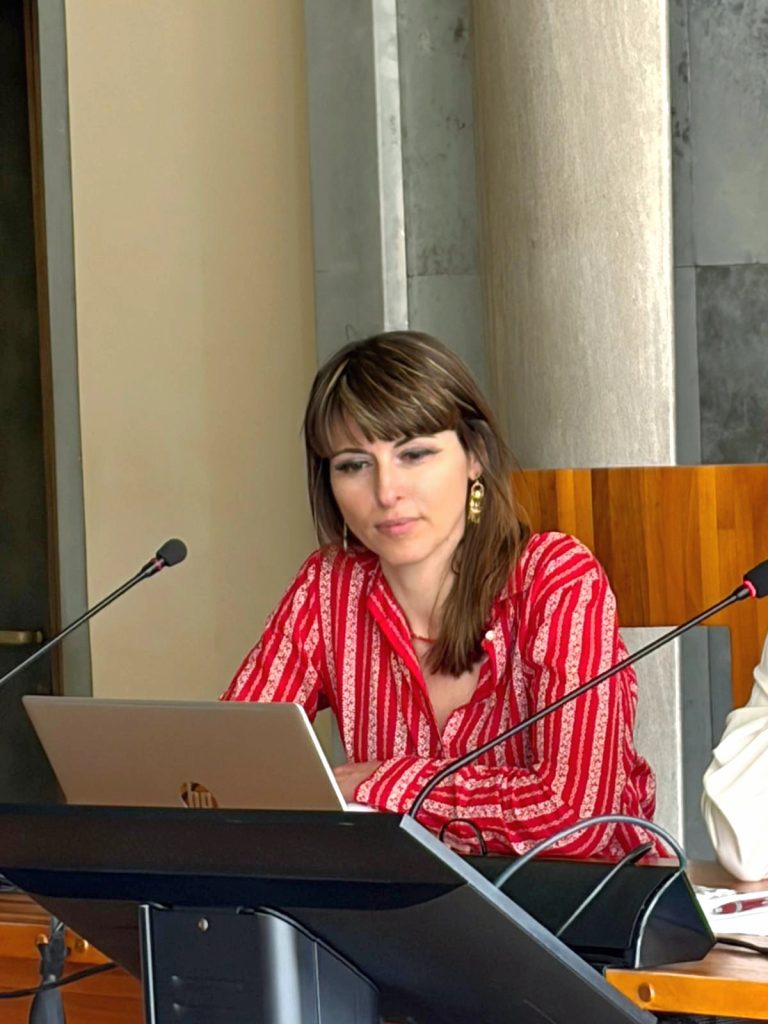
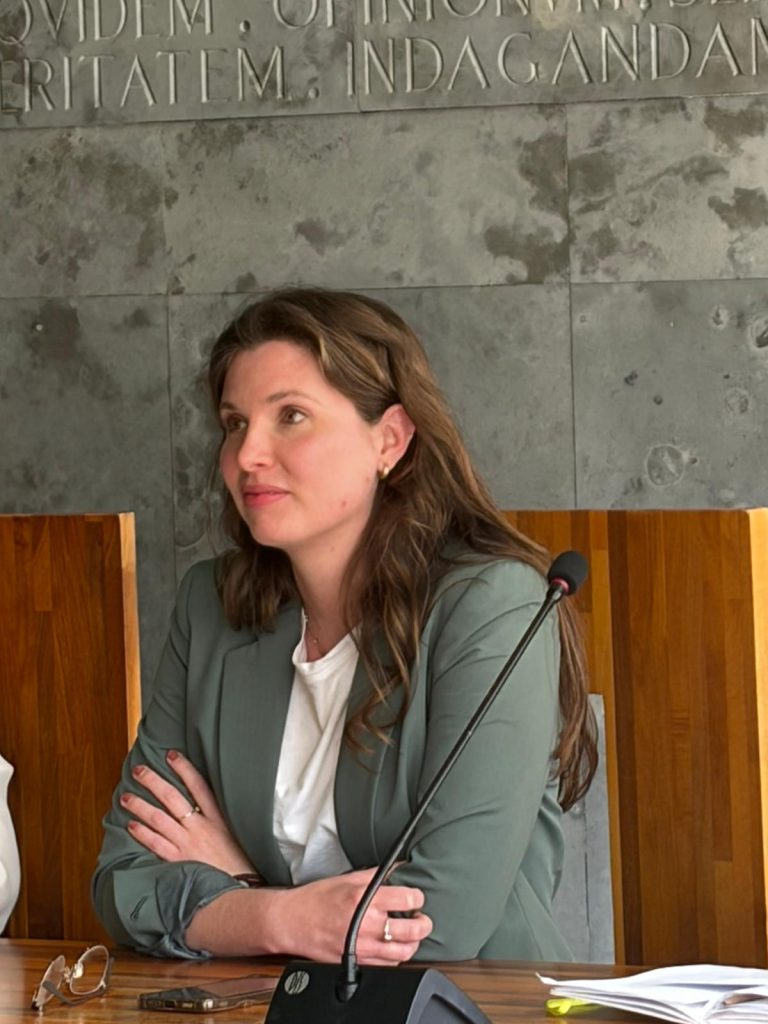
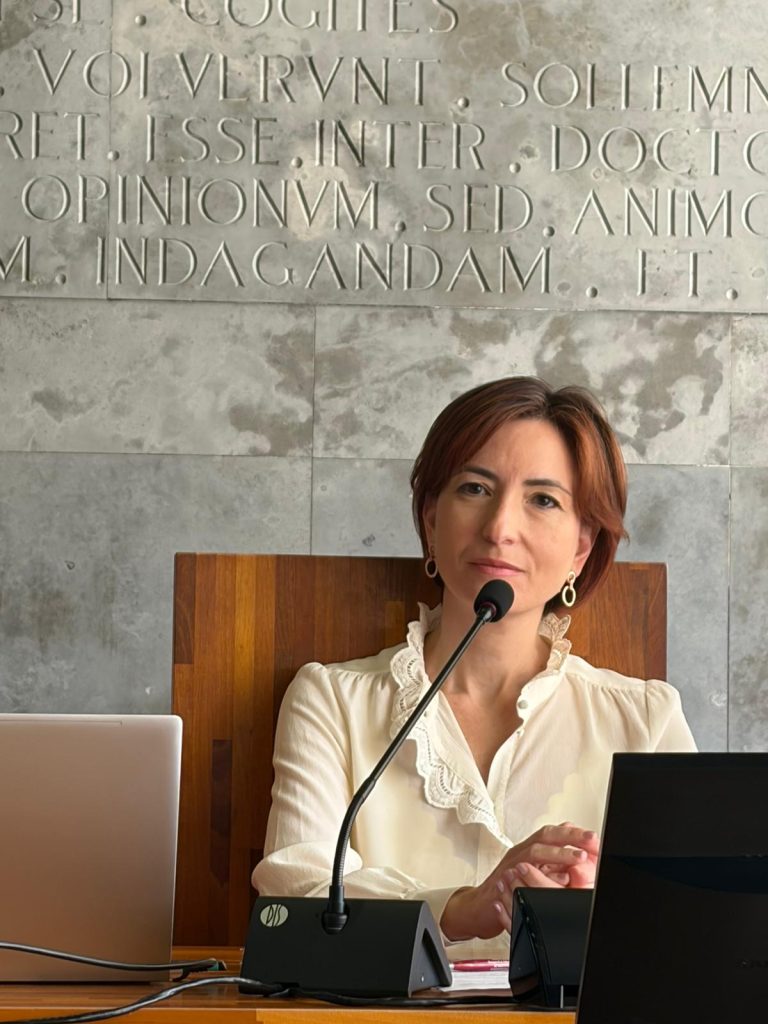
Above from left to right: Emma Mazzotta, Sophie Burton Pogledic and Cristina Corradin of OGS.
You will shortly be able to see the whole talk on the DFBC Ca’ Foscari YouTube channel here.
The RESCUE Project previously advertised the event with the article RESCUE at DFBC SUSTAINABILITY TALKs in April: Ideas on Sustainability for a New Humanism, earlier this month.
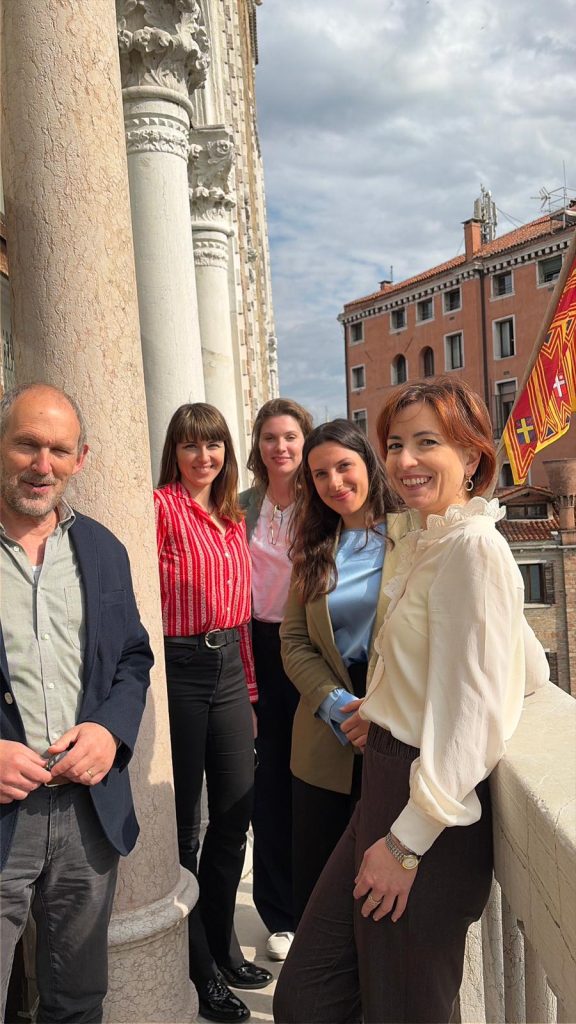
Below: Corinna Guerra, moderator, with the RESCUE team.
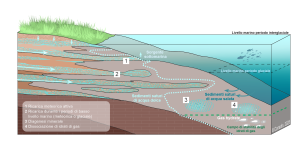
RESCUE began in March 2024 with the aim to build knowledge on offshore and deep onshore low salinity aquifers in European coastal areas, to evaluate novel freshwater resources, and help secure a steady supply of water to both population and industry, in times of hydroclimatic extremes.
The Project is led by the University of Trieste (UNITS) and is focused on helping to establish the foundations for the evaluation of new resources for local and regional policy makers, while the global applicability of the outputs will allow upscaling to Europe-wide or other large areas worldwide, where water is needed. As well as the National Institute of Oceanography and Applied Geophysics – OGS, the Consortium of the 36-month long project also includes Ruden AS, University of Derby (UoD) and University of Malta (UM).